
If you’re picking books for a two-year-old classroom, start with stories that give children something to do. They can point to an animal, make a sound, copy a movement, or fill in a word they’ve heard you say before. Joining in can look different for every child, even when you’re all reading the same book.
I’m Ms. Jenn, and I’ve taught preschool for 20 years. My current two-year-old class loves David Gets in Trouble, Brown Bear, Brown Bear, What Do You See?, Pete the Cat: I Love My White Shoes, and Llama Llama Red Pajama. Those four are a good starting point if you’re filling a classroom bookshelf. I’ve included four more read-alouds to try for times when you want something quick, active, or easy to share with a small group.
1. David Gets in Trouble by David Shannon
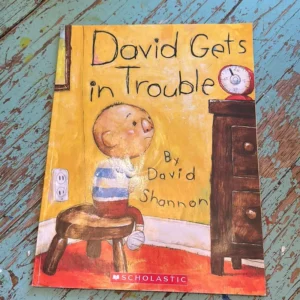
David Gets in Trouble is one of my class’s favorites. David gets into plenty of mischief, and the illustrations give children something to notice on each page. If you pause before you read the words, a child can point at what happened or tell you what they see.
Try one simple question like “What happened here?” Then give the children a moment to look. Near the end, you can talk about how it feels to make a mistake and say you’re sorry. I’d keep that conversation short enough to stay with the story.
2. Brown Bear, Brown Bear, What Do You See? by Bill Martin Jr.
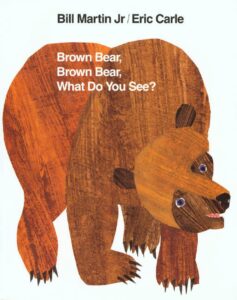
Brown Bear, Brown Bear, What Do You See?, illustrated by Eric Carle, is another favorite in my room. The same question comes around again and again, so children have time to get used to the rhythm. The big, colorful animals give them an easy place to look while you read.
Once the group knows the book, try pausing just before the last word of a familiar line. Some children may say it, and others may point to the picture. If the group is in the mood for more after the story, show them two animal pictures and let them pick which one they want to see again.
3. Pete the Cat: I Love My White Shoes by Eric Litwin
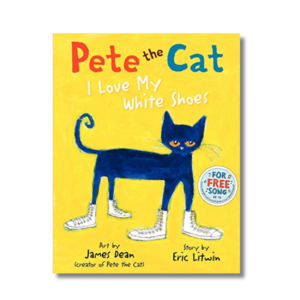
My class also loves Pete the Cat: I Love My White Shoes, illustrated by James Dean. Pete’s shoes change color as he walks, so there’s a clear detail for the group to follow. Even a child who missed the previous page can look at the shoes and join back in.
Give the repeating part a simple tune, or say it the same way each time. When Pete steps in something new, pause so the kids can point to the shoes or offer a guess about the next color. You can name the color together and keep reading.
4. Llama Llama Red Pajama by Anna Dewdney
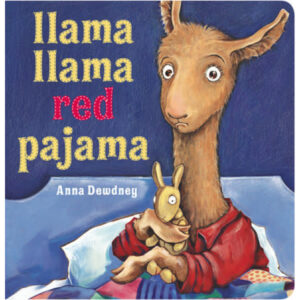
Llama Llama Red Pajama is the fourth favorite from my class. Baby Llama wants Mama to come back after she puts him to bed. The rhyming text is fun to read aloud, and his face gives children a way to see how his feelings change while he waits.
This is a good book to reach for when you have a few extra minutes. You might pause and say, “Baby Llama wants his mama,” before continuing. When children in my class miss their families, I turn to our classroom family tree. The story can give you another way to acknowledge that familiar feeling.
5. From Head to Toe by Eric Carle
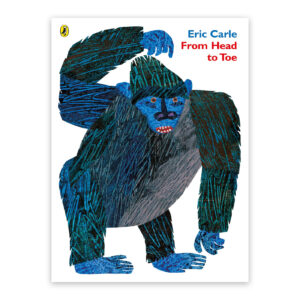
I’d add From Head to Toe for days when everyone needs to move. The animals invite children to copy their actions. You can clap like a seal or stomp like an elephant together.
If circle time is short, choose three motions and do them with the group. In a tight space, choose movements kids can copy in their own spots, such as clapping or turning their heads. You can always read more pages the next time you pull it out.
6. Dear Zoo by Rod Campbell
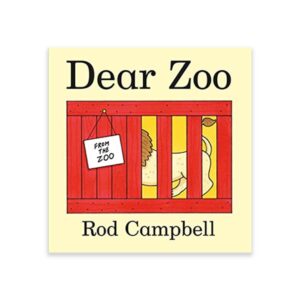
Dear Zoo works well when you have a few children close enough to see the little flaps. Have one child lift a flap while everyone guesses or names the animal underneath. Then give someone else a turn on the next page.
For a full group, you can hold the book up and lift the flaps yourself. Let the children make an animal sound together so everyone has a way to participate even when they’re sitting farther back.
7. Moo, Baa, La La La! by Sandra Boynton
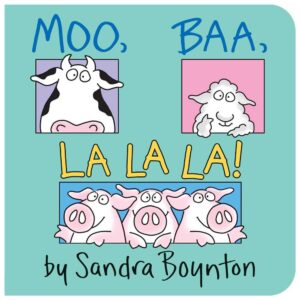
Moo, Baa, La La La! is a short animal sounds book I’d keep handy for a little wait, like when a few children are ready for lunch and the rest are still washing their hands. Try pointing to an animal and pausing to hear what the children say before you make the sound together.
8. Little Blue Truck by Alice Schertle
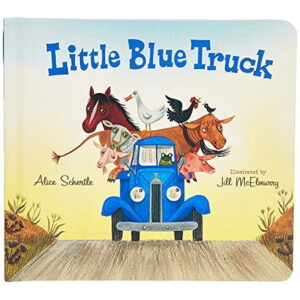
Little Blue Truck, illustrated by Jill McElmurry, gives children a choice of sounds to make. They can beep with the truck or make noises along with the farm animals. If you’re introducing the story, try showing the cover and practicing one beep together before you turn the page.
Start with a few books you can read again
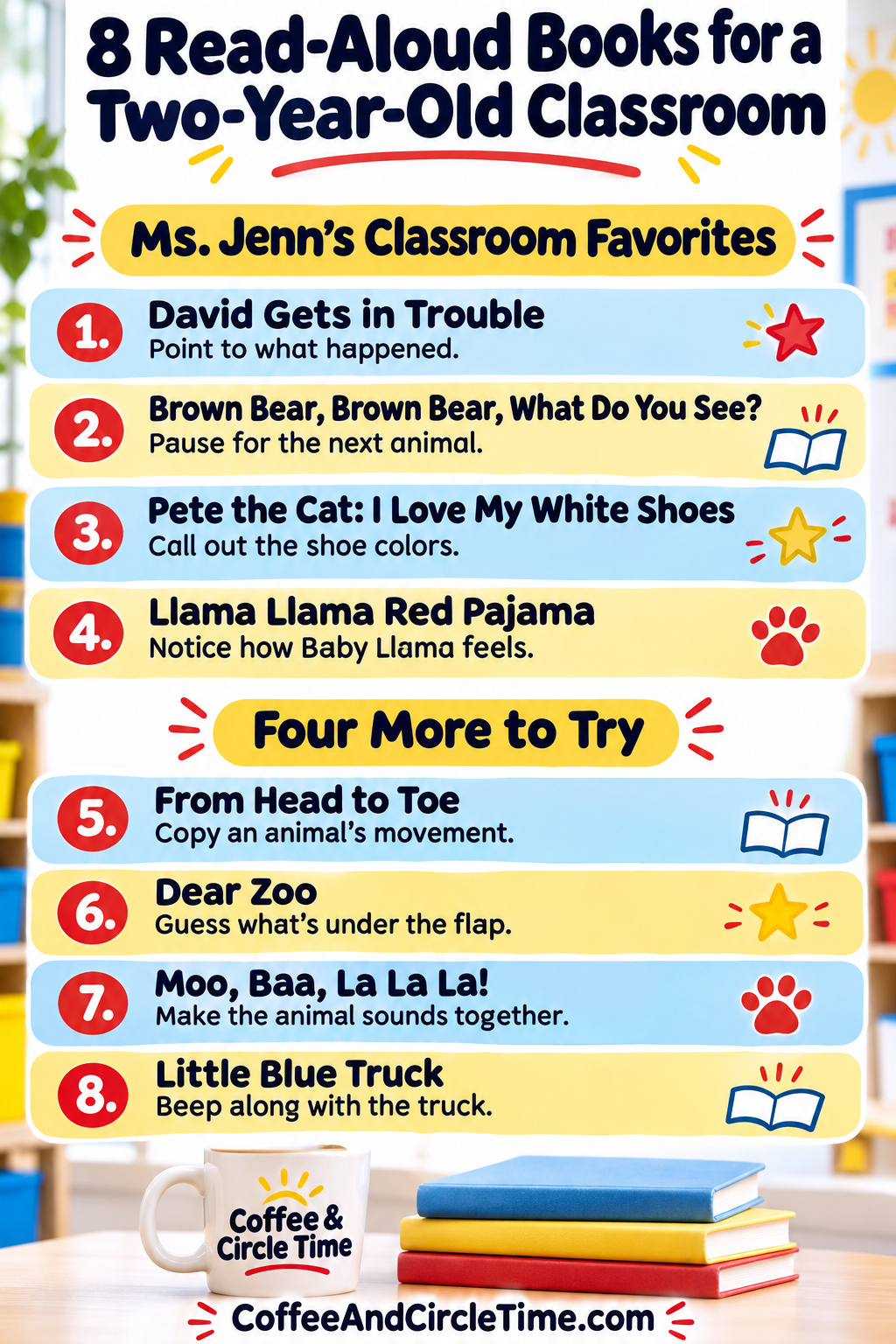
If you’re building your shelf from scratch, I’d start with Brown Bear for repetition, From Head to Toe for movement, and Dear Zoo for small groups. Keep the favorites within reach so you can pick up the same book again when the children ask for it.
For more ways to keep the books you rotate easy to find, see how to organize preschool books by theme.

Leave a Reply